
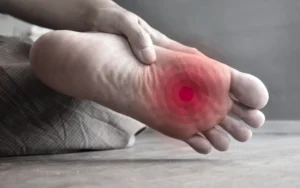
 Neuropathy treatment in Kansas City offers hope for people tired of living with burning, tingling, numbness, and pain in their hands and feet. Your toes feel numb when you walk. Or your feet burn at night and keep you awake. Or you can’t feel the pedals when you drive. Or your hands tingle so much you drop things. Your doctor says it’s neuropathy, probably from diabetes or aging, and there’s not much they can do except manage symptoms with medication.
At Dohrmann Chiropractic in Kansas City, we see patients with neuropathy every week who’ve been told to just live with it. They’ve tried gabapentin, Lyrica, and other medications that make them feel foggy without really solving the problem. They’re frustrated because the numbness keeps getting worse and nobody seems to have real answers.
Neuropathy happens when nerves get damaged. The damage can come from diabetes, chemotherapy, injuries, vitamin deficiencies, or other causes. Once nerves are damaged, they don’t send signals properly. You lose sensation. You feel pain that isn’t really there. You lose balance because your feet can’t tell your brain where they are.
But nerve damage isn’t always permanent. Nerves can heal if you address the underlying problem and give them what they need to regenerate. That’s where treatments like SoftWave Therapy, chiropractic care, and proper nutrition come in.
Dr. Ben Dohrmann, Dr. Kevin McFadden, and Dr. Frank Siraguso have helped many patients in Kansas City reduce their neuropathy symptoms and improve their quality of life using natural, non-invasive approaches. They understand that neuropathy isn’t just an inconvenience—it’s a serious condition that affects your safety, independence, and daily function.
What Is Neuropathy and What Causes It?
Neuropathy is damage to the peripheral nerves—the nerves outside your brain and spinal cord—that causes pain, numbness, tingling, and weakness, usually in the hands and feet. The most common cause is diabetes, but chemotherapy, injuries, vitamin deficiencies, autoimmune diseases, and infections can also damage nerves.
Your peripheral nerves carry messages between your brain and the rest of your body. They tell your brain when you touch something hot. They control your muscles. They regulate automatic functions like blood pressure and digestion. When these nerves get damaged, all of these functions suffer.
Diabetic neuropathy is the most common type. High blood sugar damages small blood vessels that feed your nerves. Without proper blood flow, nerves start to die. This usually starts in the feet and gradually moves up the legs. Hands can be affected too.
Chemotherapy-induced peripheral neuropathy affects many cancer survivors. Certain chemotherapy drugs are toxic to nerves. The damage can be temporary or permanent depending on the drug and dose.
Physical injuries can damage nerves directly. Car accidents, falls, or repetitive stress injuries can crush, stretch, or tear nerves. Carpal tunnel syndrome is a form of nerve compression that causes hand numbness.
Vitamin B12 deficiency causes nerve damage. Your nerves need B12 to function properly. People with digestive problems that prevent B12 absorption, vegans who don’t supplement, and older adults often develop deficiency-related neuropathy.
Autoimmune conditions like Guillain-Barré syndrome or chronic inflammatory demyelinating polyneuropathy attack the nerves directly. These are less common but can cause severe neuropathy.
Alcohol abuse damages nerves both through direct toxicity and by causing vitamin deficiencies. Chronic heavy drinking is a significant cause of peripheral neuropathy.
What Are the Symptoms of Neuropathy?
Symptoms of neuropathy include numbness, tingling, burning pain, sharp shooting pains, sensitivity to touch, loss of balance, muscle weakness, and difficulty with fine motor tasks like buttoning clothes. Symptoms usually start in the toes and feet, then progress upward over time.
The numbness is often described as wearing thick socks or gloves when you’re not. You can’t feel texture. Temperature sensation disappears. You might not notice when you step on something sharp or when water is too hot.
Burning pain keeps many people awake at night. Your feet feel like they’re on fire even though they’re not. The pain gets worse when you’re trying to relax or sleep. Some people can’t tolerate sheets touching their feet.
Tingling and “pins and needles” sensations are constant for some patients. Others experience them intermittently. The feeling is like when your foot falls asleep, except it doesn’t go away.
Hypersensitivity means normal touch feels painful. Light pressure from socks or shoes causes discomfort. This makes it hard to wear normal footwear or even walk around.
Balance problems develop when you lose sensation in your feet. Your brain doesn’t get accurate information about where your feet are or what surface you’re standing on. Falls become more likely, especially in the dark or on uneven ground.
Muscle weakness happens when motor nerves get damaged. You might have trouble standing on your toes, walking on your heels, or gripping objects. Your gait changes. You shuffle or step high to compensate.
Loss of coordination affects fine motor skills. Buttoning shirts becomes difficult. Writing gets messy. You drop things because you can’t feel them properly in your hands.
How Does Neuropathy Treatment in Kansas City Differ from Medication Management?
Neuropathy treatment in Kansas City at Dohrmann Chiropractic differs from medication management because we focus on improving nerve function and promoting healing rather than just masking symptoms. Medications like gabapentin block pain signals but don’t help nerves heal or function better.
Medications have their place. They can make severe neuropathy pain bearable while you work on healing the underlying problem. But they come with side effects—drowsiness, brain fog, dizziness, weight gain. And they don’t address why your nerves are damaged in the first place.
Our approach targets the root causes and promotes actual nerve healing. We use SoftWave Therapy to increase blood flow to damaged nerves. We address spinal problems that might be contributing to nerve dysfunction. We discuss nutrition and supplementation that supports nerve health.
SoftWave Therapy uses acoustic waves to stimulate tissue regeneration and increase blood vessel growth. Damaged nerves need good blood supply to heal. When we improve circulation to your feet and hands, we give those nerves the oxygen and nutrients they need to recover.
Chiropractic adjustments can help when spinal problems contribute to neuropathy symptoms. Nerve compression in the spine can cause or worsen peripheral neuropathy. Correcting these spinal issues sometimes dramatically improves symptoms.
We also look at your overall health. Is your blood sugar controlled? Are you deficient in B vitamins? Do you have circulation problems? All of these factors affect nerve health. We address them as part of a complete treatment approach.
The goal isn’t just pain reduction. It’s improved nerve function. Better sensation. Better balance. Better quality of life. These outcomes are possible when you treat the problem instead of just blocking the pain signals.
Can SoftWave Therapy Help With Neuropathy?
SoftWave Therapy can help with neuropathy by increasing blood flow to damaged nerves, stimulating the growth of new blood vessels, and activating the body’s natural healing response. Many patients with peripheral neuropathy see improvements in sensation, reduced pain, and better function after a series of SoftWave treatments.
Damaged nerves need blood supply to heal. One of the main problems in neuropathy is poor circulation to the affected nerves. SoftWave Therapy addresses this directly by triggering the formation of new blood vessels in treated areas.
The acoustic waves used in SoftWave penetrate deep into tissue. When these waves hit damaged nerves and surrounding tissue, they create microtrauma that triggers your body’s healing response. New blood vessels grow. Inflammation decreases. Damaged tissue regenerates.
For diabetic neuropathy, this increased blood flow can make a real difference. Diabetic patients already have circulation problems. Improving blood flow to their feet and hands gives damaged nerves a better chance to heal or at least stop getting worse.
Chemotherapy-induced neuropathy may also respond to SoftWave Therapy. While we can’t undo nerve damage from toxic drugs, we can create better conditions for whatever recovery is possible. Many patients report reduced pain and improved sensation after treatment.
Treatment involves applying the SoftWave device to affected areas—usually feet, lower legs, hands, or forearms. Each session takes about 10-15 minutes per area. You feel a tapping sensation, but it’s tolerable for most people.
Most patients need 6-12 treatments to see optimal results. Some notice improvement after just a few sessions. Others need the full course before significant changes occur. Results vary based on how severe the neuropathy is and what’s causing it.
What Role Does Blood Sugar Control Play in Neuropathy Treatment?
Blood sugar control plays a critical role in neuropathy treatment because high blood glucose is the primary cause of diabetic neuropathy and continues to damage nerves as long as it remains elevated. No treatment will work if you don’t control your blood sugar.
This is the hard truth for diabetic patients. You can do SoftWave Therapy, take all the supplements, and get regular chiropractic care, but if your A1C is 9 or 10, your neuropathy will keep getting worse. High blood sugar is actively killing your nerves every day.
We work with your medical doctor on blood sugar management. We don’t replace your endocrinologist or primary care physician. But we reinforce how important tight glucose control is for nerve health.
Keeping your blood sugar in the target range prevents further nerve damage. It gives damaged nerves a chance to heal. Studies show that improving blood sugar control can slow or even partially reverse early diabetic neuropathy.
Diet matters more than most people realize. Processed carbohydrates spike blood sugar. Whole foods with protein, healthy fats, and fiber keep blood sugar stable. We can provide guidance on eating patterns that support both blood sugar control and nerve health.
Exercise helps too. Physical activity improves insulin sensitivity and glucose uptake. Even walking 30 minutes a day makes a difference. For people with neuropathy, exercise also maintains muscle strength and balance.
If you’re pre-diabetic or diabetic and starting to feel numbness or tingling, controlling your blood sugar now can prevent the neuropathy from progressing. This is the most important intervention available.
How Important Are B Vitamins for Neuropathy Treatment in Kansas City?
B vitamins are extremely important for neuropathy treatment in Kansas City because nerves require B12, B6, and folate to function properly and repair damage. Deficiency in these vitamins either causes or worsens peripheral neuropathy, and correcting deficiencies often improves symptoms significantly.
Vitamin B12 deficiency is common in older adults, people with digestive problems, and those taking certain medications like metformin or proton pump inhibitors. Without adequate B12, nerves can’t maintain their protective myelin coating. They can’t regenerate when damaged.
Testing B12 levels is important before supplementing, but many people with neuropathy benefit from B12 supplementation even when blood tests show “normal” levels. Optimal levels for nerve health may be higher than what’s considered normal on standard lab tests.
B6 is also needed for nerve function, but too much can actually cause neuropathy. We need to find the right balance. High-dose B6 supplements can damage nerves, so supplementation should be monitored.
Folate works with B12 in many nerve functions. Deficiency can contribute to neuropathy and interfere with B12 metabolism. Many people benefit from taking a B-complex supplement that includes all the B vitamins in appropriate ratios.
Alpha-lipoic acid isn’t a B vitamin, but it’s often used alongside B vitamins for neuropathy. Research shows it can reduce neuropathy pain and improve nerve function, particularly in diabetic neuropathy.
We discuss nutrition and supplementation with our neuropathy patients. While we’re not nutritionists or dietitians, we understand the connection between vitamin status and nerve health. We can recommend testing and suggest appropriate supplements or refer you to a specialist.
Can Spinal Problems Contribute to Neuropathy Symptoms?
Spinal problems can absolutely contribute to neuropathy symptoms because nerves exit your spine on their way to your arms and legs, and compression or irritation of these nerves in the spine can cause or worsen peripheral symptoms. Sometimes what looks like peripheral neuropathy is actually or partly caused by spinal nerve compression.
Lumbar spine problems can cause symptoms in your legs and feet that mimic peripheral neuropathy. Herniated discs, spinal stenosis, or nerve root compression from arthritis create numbness, tingling, and pain that travels down the leg.
Cervical spine issues cause similar problems in the arms and hands. Nerve compression in the neck can produce hand numbness and tingling that looks like carpal tunnel syndrome or peripheral neuropathy.
The key difference is that spinal nerve compression usually follows specific nerve pathways. True peripheral neuropathy typically affects both feet or both hands symmetrically, starting at the extremities. Spinal problems often affect one side more than the other and follow a dermatomal pattern.
Sometimes patients have both. They have diabetic neuropathy affecting their feet and also have a herniated disc in their lower back contributing to leg symptoms. Treating the spinal problem doesn’t cure the peripheral neuropathy, but it can reduce symptoms significantly.
This is where chiropractic care helps. We can identify and treat spinal problems that contribute to your symptoms. Adjustments to decompress nerve roots, combined with other treatments for the peripheral neuropathy itself, provide better overall results.
We take X-rays when appropriate to evaluate your spine. If we find significant nerve compression that needs medical intervention, we refer to the appropriate specialist. But many cases of mild to moderate nerve compression respond well to conservative chiropractic care.
What About Balance Problems From Neuropathy?
Balance problems from neuropathy happen because you lose sensation in your feet that normally tells your brain where your feet are and what surface you’re standing on. This proprioceptive loss makes falls more likely and limits your confidence in walking, especially in the dark or on uneven surfaces.
Your brain relies on three systems for balance: vision, inner ear, and proprioception (position sense from joints and nerves). When neuropathy damages the nerves in your feet, you lose proprioceptive input. Your brain has to rely more heavily on vision and inner ear function.
This is why people with neuropathy are steady in good lighting but unsteady in the dark. When you can’t see and can’t feel your feet, your brain doesn’t have enough information to maintain balance.
Falls are dangerous, especially for older adults. A fall can lead to fractures, head injuries, or loss of independence. Preventing falls is a major concern for anyone with neuropathy affecting their feet.
Treatment that improves sensation in your feet helps with balance. When you start to feel the floor again, your brain gets better information. Balance improves. Confidence increases.
We also recommend balance exercises and physical therapy for neuropathy patients. Strengthening exercises, balance training, and gait work can partially compensate for lost sensation. Your brain learns to use available information more effectively.
Proper footwear matters too. Shoes with good support and sensory feedback help. Some patients benefit from custom orthotics that provide additional stability and feedback through the feet.
How Long Does Neuropathy Treatment Take to Show Results?
Neuropathy treatment typically takes several weeks to months to show noticeable results because nerve healing is a slow process. Some patients feel improvement in pain levels within a few weeks of starting SoftWave Therapy or other treatments, but regaining sensation and function takes longer.
Nerves regenerate slowly. At best, damaged nerves repair at a rate of about 1 millimeter per day. That’s roughly an inch per month. If the nerve damage extends from your spine to your toes, full recovery could take many months even under ideal conditions.
But you don’t need complete nerve regeneration to feel better. Reducing inflammation, improving blood flow, and healing partially damaged nerves can significantly improve symptoms relatively quickly.
Most patients on our treatment protocols notice reduced pain within 4-6 weeks. Burning sensations decrease. Sharp pains occur less frequently. Sleep improves because nighttime pain diminishes.
Improved sensation takes longer. You might start noticing you can feel texture better, or temperature sensation returns. These improvements continue over months as nerves heal.
Balance and coordination improvements follow sensation improvements. As you regain feeling in your feet, you become steadier. Falls become less likely. Confidence increases.
The extent of recovery depends on several factors. How severe is the nerve damage? What’s causing it? Are you controlling the underlying problem? Are you consistent with treatment? All of these affect outcomes.
Realistic expectations matter. If you have severe, long-standing neuropathy with significant nerve death, we can’t regenerate dead nerves. But we can often stop progression, reduce pain, and improve function enough to significantly enhance quality of life.
What Makes Dohrmann Chiropractic Different for Neuropathy Treatment in Kansas City?
What makes Dohrmann Chiropractic different for neuropathy treatment in Kansas City is our combination of advanced technology like SoftWave Therapy, comprehensive chiropractic care, and personalized treatment plans that address both symptoms and underlying causes. We don’t just manage neuropathy—we work to improve nerve function.
We have the SoftWave Therapy equipment that many clinics don’t offer. This technology gives us a powerful tool for stimulating nerve healing and improving circulation to damaged nerves. It’s non-invasive, safe, and backed by research for neuropathy treatment.
Our doctors understand the connection between spinal health and peripheral nerve function. We evaluate your entire nervous system, not just your feet and hands. Often, addressing spinal problems enhances the results from peripheral neuropathy treatment.
We take time to understand your specific situation. What type of neuropathy do you have? What’s causing it? How severe is it? What have you already tried? What are your goals? This information shapes your treatment plan.
We work with your medical doctors. If you’re diabetic, we coordinate with your endocrinologist or primary care physician. If you had chemotherapy, we communicate with your oncologist. We’re part of your healthcare team, not working in isolation.
Our practice has served Kansas City families from Gladstone, Parkville, Liberty, and surrounding areas since 2008. With 745 Google reviews and a 4.9-star rating, patients trust us to provide honest, effective care.
We set realistic expectations. We don’t promise to cure neuropathy. We tell you honestly what we think is possible based on your specific condition. Some patients see dramatic improvement. Others see modest gains. We work with you to achieve the best possible outcome.
Will Insurance Cover Neuropathy Treatment?
Insurance coverage for neuropathy treatment varies by plan and specific services provided. Chiropractic care is often covered, though SoftWave Therapy may not be covered by all insurance plans. We verify your benefits and discuss costs upfront so you know what to expect.
Most insurance plans cover chiropractic adjustments and examinations. If your neuropathy has a spinal component or you’re receiving adjustments as part of your treatment, insurance typically pays for this portion of care.
SoftWave Therapy coverage is less consistent. Some plans cover it for certain conditions. Others don’t cover it at all. We check your specific benefits and let you know before starting treatment.
Even when insurance doesn’t cover everything, consider the value. What’s it worth to walk without pain? To sleep through the night? To reduce your fall risk? To potentially reduce or eliminate medications that make you feel foggy?
We offer payment plans for treatments not covered by insurance. We want cost to be manageable so you can get the care you need without financial stress.
For patients with Medicare, coverage follows standard Medicare chiropractic benefits. We’re familiar with Medicare rules and handle all the billing.
Ready to Address Your Neuropathy?
If you’re dealing with numbness, tingling, burning pain, or balance problems from neuropathy, you don’t have to just live with it or rely solely on medications that don’t really fix the problem. Neuropathy treatment in Kansas City at Dohrmann Chiropractic offers a different approach—one focused on healing nerves and improving function.
Call our office at 816-436-5520 to schedule a consultation. We’ll evaluate your condition, discuss your treatment options, and create a plan tailored to your specific type and severity of neuropathy.
Bring any medical records, lab results, or medication lists. The more we know about your condition and overall health, the better we can help you.
Don’t wait until the neuropathy gets worse. Nerve damage that’s caught and treated early responds better than damage that’s been progressing for years. The sooner you start treatment, the better your chances of meaningful improvement.
You deserve to feel your feet when you walk. Sleep without burning pain keeping you awake. Move confidently without fear of falling. These improvements are possible with the right treatment approach.
We’ve helped many patients in Kansas City reduce their neuropathy symptoms and improve their quality of life. Let us see if we can help you too.
Dohrmann Chiropractic
9576 North McGee Street
Kansas City, MO 64155
(816) 436-5520
Office Hours:
Monday-Friday: 9am-12pm, 2:30pm-5:30pm
Saturday: 9am-12pm