
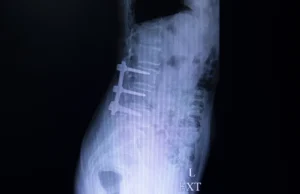
 Spinal decompression can help after failed back surgery when a disc problem is still contributing to your pain — by gently reducing pressure on the affected disc and surrounding nerves, even in a spine that’s already been operated on. At Dohrmann Chiropractic in Kansas City, we see patients who went through with surgery hoping for relief, only to still be dealing with pain months or years later. If that’s you, you’re not out of options.
What Is Failed Back Surgery Syndrome?
Failed back surgery syndrome is the medical term for persistent or recurring back or neck pain after spine surgery that was intended to relieve it, and it affects a meaningful percentage of patients even when the surgery itself was performed correctly. This isn’t necessarily a sign that anything went wrong technically during your procedure. Sometimes the original diagnosis was incomplete, a different disc level continued to degenerate after surgery, or scar tissue formed around the surgical site and became its own source of nerve irritation.
Can Spinal Decompression Really Help After Failed Back Surgery?
Yes, in many cases — spinal decompression can help after failed back surgery, particularly when a disc above or below the original surgical level is now causing symptoms, or when residual disc bulging near the surgical site is still putting pressure on a nerve. The DRX9000 applies gentle, controlled traction to reduce pressure inside the disc and create room for the nerve to recover, which doesn’t require the area to be surgery-free — it just requires a disc-related source of pressure that decompression can actually influence.
This is why a thorough evaluation matters so much for post-surgical patients. Not every case of ongoing pain after surgery is decompression-appropriate, but a significant number are, and finding out shouldn’t require jumping straight to a second surgery.
Why Does Pain Sometimes Persist or Return After Back Surgery?
Pain persists or returns after back surgery for several common reasons: scar tissue forming around nerve roots, a new disc problem developing at an adjacent spinal level, incomplete resolution of the original disc issue, or the true source of pain never actually being the disc that was operated on in the first place. Adjacent segment disease — where the levels next to a fusion or disc removal take on extra stress and start degenerating faster — is particularly common and is exactly the kind of problem decompression is well suited to address.
Understanding why your pain persisted is the first step. We review your surgical records, current imaging, and symptom pattern carefully before recommending any treatment, because treating the wrong source of pain wastes your time.
Who Is a Good Candidate for Decompression After a Previous Surgery?
Good candidates for spinal decompression after failed back surgery typically have a clear disc-related source of ongoing pain — whether that’s a new herniation, a bulging disc at an adjacent level, or residual pressure near the original surgical site — confirmed through updated imaging. Patients whose pain is coming from sciatica, a herniated disc, or spinal stenosis with a disc component often respond well, even with a surgical history.
Patients whose pain is primarily from hardware complications, unresolved nerve damage from the original injury, or a source unrelated to disc pressure are less likely to benefit, and we’ll tell you honestly if that appears to be the case for you.
What Makes Decompression Different From What Surgery Already Tried?
Spinal decompression works differently than most spine surgeries because it doesn’t remove or alter tissue — it reduces pressure and creates the physiological conditions for your disc and surrounding nerves to heal on their own, which is a fundamentally different mechanism than a discectomy or fusion. Surgery physically changes the structure of your spine. Decompression changes the pressure environment around it. For patients whose ongoing pain is pressure-related rather than structural, this different approach can succeed where surgery alone didn’t fully resolve things.
Dr. Ben Dohrmann, Dr. Kevin McFadden, and Dr. Frank Siraguso have worked with many patients in exactly this situation, and often combine decompression with chiropractic care to address compensatory movement patterns that develop after spine surgery and recovery.
How Many Treatments Are Typically Needed After Failed Back Surgery?
Post-surgical patients generally follow a similar treatment course to other decompression patients — typically 20 to 25 sessions over 8 to 12 weeks — though the plan is adjusted based on your surgical history, hardware present, and current imaging findings. We move more conservatively at the start with post-surgical patients, monitoring your response closely before progressing the treatment intensity.
When Is Decompression Not Appropriate After Spine Surgery?
Spinal decompression is not appropriate for every post-surgical patient — certain types of spinal fusion hardware, recent surgery still in the healing phase, or pain sources unrelated to disc pressure can make decompression unsafe or simply ineffective. We review your surgical reports and current imaging carefully, and if decompression isn’t a good fit, we’ll say so and help point you toward more appropriate options rather than starting treatment that’s unlikely to help.
Why Kansas City Patients Trust Us After Surgery Didn’t Work
Our team has helped patients throughout Kansas City, Gladstone, Parkville, Liberty, Smithville, Clay County, and Platte County who came to us after a surgery that didn’t fully resolve their pain, using the DRX9000 alongside a thorough review of their surgical history and current imaging. We understand how discouraging it is to go through surgery and still be hurting, and we take the time to figure out exactly what’s still causing your symptoms before recommending anything.
Schedule online, call or text us at (816) 436-5520, or visit us at 9576 N McGee St, Kansas City, MO 64155.
Frequently Asked Questions
Can spinal decompression help after failed back surgery?
Yes, in many cases. Spinal decompression can help when a disc problem — whether new, at an adjacent level, or residual near the original surgical site — is still contributing to your pain.
What is failed back surgery syndrome?
It’s the medical term for persistent or recurring pain after spine surgery intended to relieve it, often caused by scar tissue, a new disc problem at an adjacent level, or incomplete resolution of the original issue.
Why does back pain sometimes return after surgery?
Common causes include scar tissue around nerve roots, adjacent segment disease at the levels next to a fusion or disc removal, or a new disc problem developing separately from the original surgical site.
Who is a good candidate for decompression after a previous back surgery?
Patients with a clear, imaging-confirmed disc-related source of ongoing pain — such as sciatica, a herniated disc, or spinal stenosis with a disc component — tend to respond well, even with a surgical history.
Is spinal decompression safe if I have spinal fusion hardware?
It depends on the type and location of the hardware. Some post-surgical patients are good candidates and others are not, which is why a thorough review of your surgical records and current imaging is essential first.
How is spinal decompression different from another surgery?
Decompression doesn’t remove or alter spinal tissue. It reduces pressure inside the disc to create conditions for natural healing, which is a fundamentally different mechanism than a discectomy or fusion.
How many decompression sessions are needed after failed back surgery?
Most post-surgical patients follow a similar course to other patients, typically 20 to 25 sessions over 8 to 12 weeks, adjusted based on surgical history and imaging findings.
Does Dohrmann Chiropractic treat patients outside Kansas City?
Yes. We regularly treat patients from Gladstone, Parkville, Liberty, Smithville, and throughout Clay County and Platte County, in addition to Kansas City itself.