
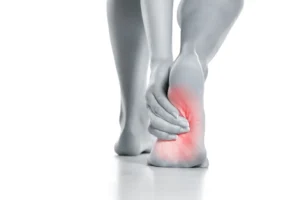
 Numbness in your feet. Tingling that shoots up your legs at night. Burning hands you can’t explain. If you’ve been Googling your symptoms and landed on the word “neuropathy,” you’re not alone — and you’re right to take it seriously. At Dohrmann Chiropractic in Kansas City, we evaluate patients with these exact complaints every single week, and one of the most important things we do before treatment begins is figure out what’s actually causing the problem. Because not all numbness and tingling is the same — and the right answer changes everything about how you get better.
Why “Neuropathy” Is a Description, Not a Diagnosis
Here’s something that surprises a lot of patients: neuropathy isn’t really a single disease. It’s a term that describes nerve damage or dysfunction — and that damage can come from a dozen different sources. When a doctor says you have peripheral neuropathy, they’re describing what your nerves are doing wrong. What they may not have fully explained yet is why.
That distinction matters enormously. Two people can have the exact same burning, tingling sensations in their feet and have completely different causes — one from uncontrolled blood sugar, one from a compressed nerve in the lower spine. The treatment that helps one may do nothing for the other. That’s why a thorough evaluation isn’t just a nice-to-have. It’s the whole foundation of effective care.
Dr. Ben Dohrmann, who has served the Kansas City community since 2008 and carries the distinction of having served as an Olympic Team Chiropractor at the London 2012 Summer Olympics, approaches neuropathy cases this way from the first visit. Before recommending any treatment plan, we want to understand the full picture.
What Are the Most Common Causes of Neuropathy?
When patients come to us with nerve pain symptoms in Kansas City, Gladstone, Parkville, and Liberty, here are the underlying causes we most commonly see:
Diabetic Neuropathy
Diabetes is the leading cause of peripheral neuropathy in the United States. Chronically elevated blood sugar gradually damages the small blood vessels that feed the nerves, particularly in the feet and lower legs. Symptoms often start as mild tingling and progress over time to numbness, burning, or even loss of balance. If you’ve been diagnosed with Type 1 or Type 2 diabetes and you’re noticing sensations in your feet, this connection deserves immediate attention.
Spinal Compression and Pinched Nerves
This is where chiropractic evaluation becomes especially critical — and where patients are often surprised by what we find. A pinched nerve in the lumbar spine can produce symptoms that travel all the way down the legs and into the feet, closely mimicking the classic presentation of peripheral neuropathy. Sciatica is a common example: compression of the sciatic nerve root in the lower back generates burning, numbness, or tingling that runs through the buttock and down the leg. Similarly, a bulging disc pressing on a nerve root in the spine can create numbness in the foot that has nothing to do with diabetes or systemic nerve damage — it’s a structural problem that responds well to conservative chiropractic care and, when needed, spinal decompression.
Spinal Stenosis
Narrowing of the spinal canal — called spinal stenosis — is another structural cause that produces leg numbness, tingling, and weakness, particularly when walking or standing for extended periods. Many patients in their 50s, 60s, and beyond who’ve been told they have neuropathy actually have a significant stenosis component driving their symptoms.
Chemotherapy-Induced Neuropathy
Certain chemotherapy drugs are toxic to peripheral nerves, leading to numbness and tingling in the hands and feet that can persist long after treatment ends. For these patients, therapies that stimulate blood flow and encourage nerve regeneration — like SoftWave — can play a meaningful supportive role in recovery.
Nutritional Deficiencies
Deficiencies in B vitamins (particularly B12), vitamin D, and other nutrients can impair nerve function and create neuropathy-like symptoms. This is especially common in older adults and those with digestive conditions that limit nutrient absorption.
How Do You Tell the Difference? The Evaluation Process
One of the biggest mistakes people make when experiencing numbness and tingling is jumping straight to a diagnosis — or accepting one without thorough investigation. At Dohrmann Chiropractic, our evaluation for nerve-related symptoms typically involves:
A Detailed History
We want to know when symptoms started, how they progress, what makes them better or worse, and what your overall health picture looks like. Diabetic neuropathy tends to be bilateral and symmetric (both feet equally), while a spinal nerve root compression is more often one-sided and follows a specific nerve distribution pattern.
Orthopedic and Neurological Testing
We perform hands-on physical testing to identify where the nerve dysfunction originates. Specific provocative tests can help distinguish between a spinal source and a peripheral source. For example, if extending your lower back reproduces the leg symptoms, that strongly suggests a spinal component.
On-Site Digital X-Ray Imaging
One of the advantages of being treated at Dohrmann Chiropractic is our on-site digital X-ray imaging. We can assess your spinal alignment, disc space height, and structural changes the same day — without sending you to an outside imaging center and waiting weeks for results. For patients with potential spinal stenosis, degenerative disc disease, or disc herniation as contributors to their nerve symptoms, this is invaluable for guiding the treatment plan.
What Does Effective Neuropathy Treatment Look Like in Kansas City?
Once we’ve identified the likely driver of your nerve symptoms, we build a care plan around it. The team at Dohrmann Chiropractic — Dr. Ben Dohrmann, Dr. Kevin McFadden, and Dr. Frank Siraguso — brings over 46 years of combined clinical experience to these cases, which means we’ve seen the full spectrum of presentations and we know what works.
SoftWave Therapy for Nerve Regeneration
For patients with true peripheral neuropathy — particularly diabetic neuropathy and chemotherapy-induced neuropathy — SoftWave Therapy is one of the most exciting tools we have available. SoftWave uses FDA-cleared electrohydraulic supersonic acoustic waves to stimulate blood flow and activate the body’s natural healing cascade at the cellular level. For nerves that have been starved of circulation and oxygen, this kind of targeted stimulation can encourage regeneration in a way that medications simply don’t. It’s the same technology trusted by the Cleveland Clinic, Mayo Clinic, and Walter Reed Military Medical Center.
Chiropractic Adjustments for Spinal Nerve Compression
When the root cause is structural — a pinched nerve, a herniated disc, or spinal misalignment — chiropractic adjustments directly address what’s compressing the nerve. Restoring proper spinal motion reduces irritation on the nerve root and allows the nervous system to function the way it’s designed to. For many patients, this is the missing piece they’ve never had addressed.
Spinal Decompression for Disc-Related Nerve Involvement
When disc pathology is driving nerve compression into the legs or feet, our DRX9000 spinal decompression system can gently create negative intradiscal pressure to relieve that compression — drawing the disc away from the nerve and allowing healing to begin. We frequently combine spinal decompression with SoftWave Therapy for patients with both structural and circulatory components to their nerve symptoms, and the outcomes are consistently better than either treatment alone.
Addressing Numbness in the Foot and Tingling in the Arm
Whether your symptoms are in your feet or your hands and arms, the approach is the same: find the source, address it directly, and support the body’s ability to heal. Tingling in the hands and arms often traces back to cervical (neck) spine involvement, while foot numbness more commonly involves the lumbar spine or peripheral nerves of the lower extremities. Getting this right on the front end is what separates patients who improve from those who plateau.
Signs Your Numbness and Tingling Deserves Professional Evaluation
Not sure if what you’re experiencing warrants a visit? Here are the signs we’d encourage you not to ignore:
- Numbness or tingling that’s been present for more than a few weeks
- Burning sensations in the feet, particularly at night
- Symptoms that are getting worse over time, not better
- Loss of balance or coordination when walking
- Numbness that’s interfering with daily activities (driving, sleeping, working)
- You’ve been told it’s neuropathy but never had your spine evaluated
- You have diabetes and are starting to notice foot symptoms
The earlier nerve involvement is addressed, the better the outcomes. Nerves that have been compressed or damaged for years are harder to rehabilitate than those caught early. If you’re in Kansas City, Gladstone, Parkville, Liberty, Smithville, or anywhere in Clay or Platte County, our team is ready to give you real answers — not just a prescription to manage symptoms.
Why Kansas City Patients Choose Dohrmann Chiropractic for Nerve Pain
With over 600 five-star Google reviews and 17 years of serving the Kansas City community, Dohrmann Chiropractic has earned the trust of thousands of patients who came in frustrated and left with a real plan. We don’t guess. We evaluate, we image when needed, and we build care plans that address what’s actually wrong — not just what’s easiest to treat.
Dr. Dohrmann’s personal history with degenerative disc disease gives him an unusually empathetic lens on chronic nerve and disc-related pain. He knows what it’s like to wonder if you’ll ever feel better. That lived experience is woven into how our entire team approaches every patient who walks through our doors on North McGee Street.
Frequently Asked Questions: Neuropathy Treatment in Kansas City
How do I know if my foot numbness is neuropathy or a pinched nerve in my spine?
The distinction often comes down to the pattern and distribution of symptoms. A pinched nerve in the lumbar spine typically follows a specific nerve pathway and is often one-sided, while diabetic peripheral neuropathy tends to affect both feet equally in a “stocking” pattern. Orthopedic and neurological testing, combined with spinal imaging, is the most reliable way to tell the difference — and we can do both at our Kansas City office.
Can neuropathy symptoms actually improve, or is the damage permanent?
Nerve damage can often be partially or substantially reversed when the underlying cause is addressed and circulation to the nerve tissue is restored. The key variables are how long the damage has been present and how severe it is. Earlier intervention generally leads to better outcomes. Treatments like SoftWave Therapy are specifically designed to stimulate the conditions nerves need to regenerate.
Is SoftWave Therapy safe for diabetic neuropathy patients?
Yes. SoftWave is a non-invasive, FDA-cleared therapy with no systemic side effects. It’s well-suited for diabetic patients, including those who may not be candidates for more aggressive interventions. We’ve used it successfully with neuropathy patients across a wide range of health profiles.
How many treatments does it typically take to notice improvement in neuropathy symptoms?
This varies depending on the underlying cause, severity, and how long symptoms have been present. Some patients notice improvement within a few sessions; others require a longer course of care. We set realistic expectations with every patient upfront and monitor progress closely throughout treatment.
Do I need a referral to be seen for neuropathy at Dohrmann Chiropractic?
No referral is needed. You can call or text us directly to schedule your initial evaluation. We welcome new patients from Kansas City, Gladstone, Parkville, Liberty, and all surrounding areas.
Can chiropractic adjustments help neuropathy caused by spinal problems?
Absolutely. When nerve symptoms in the legs or feet are being driven by spinal compression — whether from a herniated disc, spinal stenosis, or misalignment — chiropractic adjustments are one of the most direct and effective interventions available. Addressing the spinal source removes the pressure on the nerve and allows it to begin healing.
What if I’ve already tried medication for neuropathy and it didn’t help?
Medications like gabapentin and Lyrica manage the perception of pain — they don’t address the underlying nerve damage or its cause. Many of our patients come to us after medications failed to provide lasting relief. A structural and functional evaluation often reveals causes that medication simply can’t fix, and our treatment approach targets those causes directly.
Does Dohrmann Chiropractic treat neuropathy in the hands and arms as well?
Yes. Tingling or numbness in the arm and hand often traces back to nerve compression in the cervical spine. We evaluate upper and lower extremity nerve symptoms and tailor the treatment plan accordingly. The same thorough diagnostic approach applies regardless of where your symptoms are located.
Ready to Get Real Answers? Schedule Your Evaluation Today
If you’re living with numbness, tingling, burning, or nerve pain and you’re tired of being told to just manage it — we want to help. The team at Dohrmann Chiropractic has the tools, the experience, and the dedication to find out what’s actually driving your symptoms and build a plan that gives your nerves the best possible chance to heal.
Call or text us at (816) 436-5520 or stop by our office at 9576 N McGee St, Kansas City, MO 64155.
Office Hours:
Monday – Friday: 9:00 AM – 12:00 PM & 2:30 PM – 5:30 PM
Saturday: 9:00 AM – 12:00 PM
Serving Kansas City, Gladstone, Parkville, Liberty, Smithville, and all of Clay and Platte County.